Deployments
that don't break
when real-world
traffic spikes hit.
I'm Kavya - I design production deployment systems across Vercel, Netlify, and VPS infrastructure with CI/CD, observability, and rollback safety built in.

// the_pattern
Deploy works on day one. Then production traffic gets real.
Builds pass, but domain setup, cache invalidation, environment drift, and runtime limits quietly fail. Incident overhead compounds. Here's what the data shows:
Environment drift - preview works, production fails
Impact: Hotfixes +35%Cold-start and runtime limits cause API timeouts
Impact: P95 latency +48%DNS and SSL misconfiguration delays release windows
Impact: Data inconsistencyRollback plans missing when bad deploys ship
Impact: MTTR spikesStatic cache + edge mismatch serves stale app states
Impact: Conversion drop riskManual server patching on VPS creates drift
Impact: Engineering time waste// process
How I Build Production-Ready Deployment Systems
A methodical, platform-aware approach to shipping safely on Vercel, Netlify, and VPS.
Platform-fit Architecture First
Choose the right surface for each workload: edge/static on Vercel or Netlify, long-running jobs and workers on VPS.
CI/CD + Safe Release Controls
Preview deployments, branch protection, migrations, and one-click rollback paths are defined before first release.
Observability + Incident Readiness
Centralized logs, uptime checks, and alert routing ensure incidents are detected quickly and reverted safely.
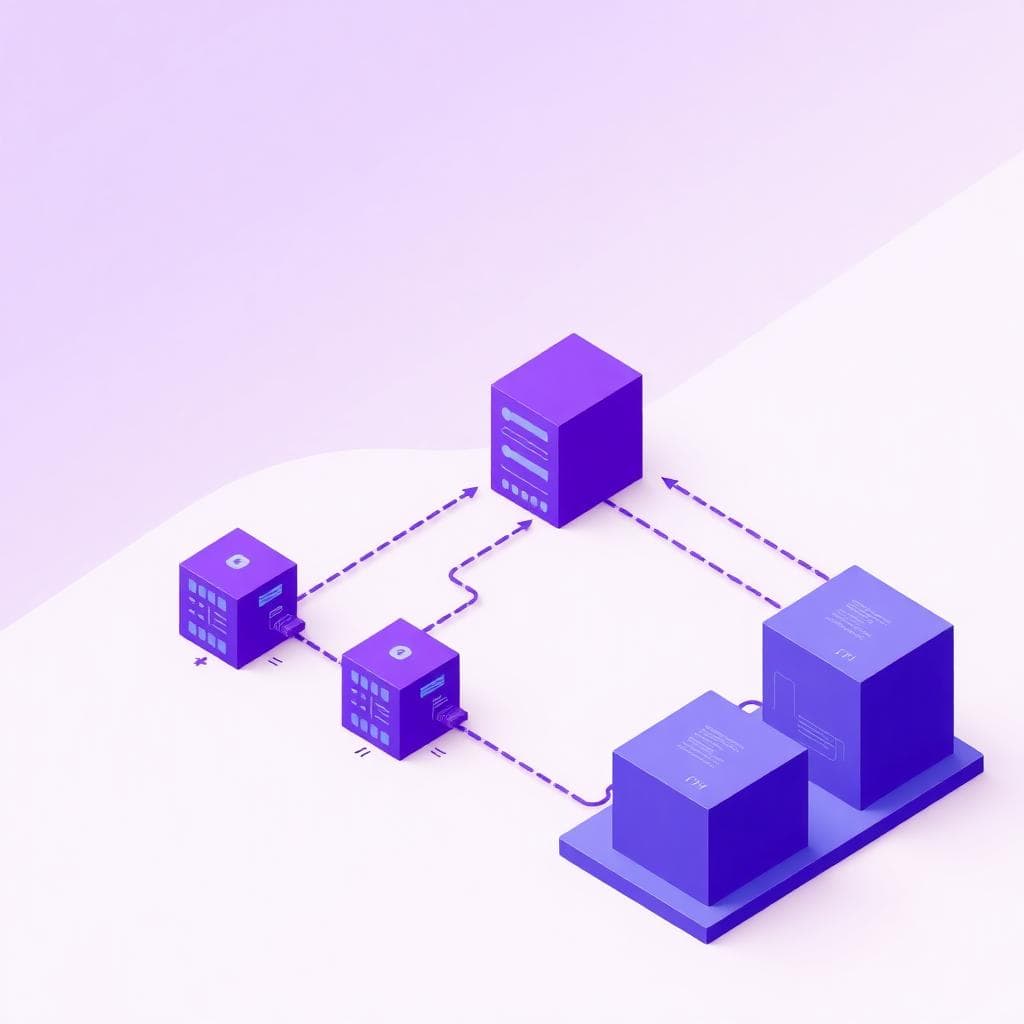
Real results. Real data.
Every deployment system I build is measured by uptime, rollback speed, and release confidence.
SG Freight Pvt Ltd
Run SG Freight's freight platform on Vercel — Next.js App Router for ops and vendor portals, preview deployments for every change, and serverless/edge routes for payment webhooks and shipment APIs. Release gates, env separation, and one-click rollbacks keep a $3.7M+ revenue platform (peak $400K/month) shipping safely across 120+ vendors. I've continued as their ongoing consultant for 4 years as corridors and traffic grow.
- •Production on Vercel with preview URLs for every PR before promote-to-prod
- •Split edge/static surfaces from serverless API routes for webhooks and freight workflows
- •Protected env vars + deploy checks so staging and production never mix secrets
- •Instant rollback path tied to Vercel deployments — zero downtime releases for ops and vendor portals

Vercel Migration
Migrated a monorepo from legacy Docker hosting to Vercel with edge caching, preview environments, and platform-aligned API routing for faster releases.
- •Introduced protected deploy gates for env and migration checks
- •Removed manual build/deploy handoffs across three teams
- •Added instant rollback path tied to release artifacts
- •Reduced incident frequency after edge/runtime split
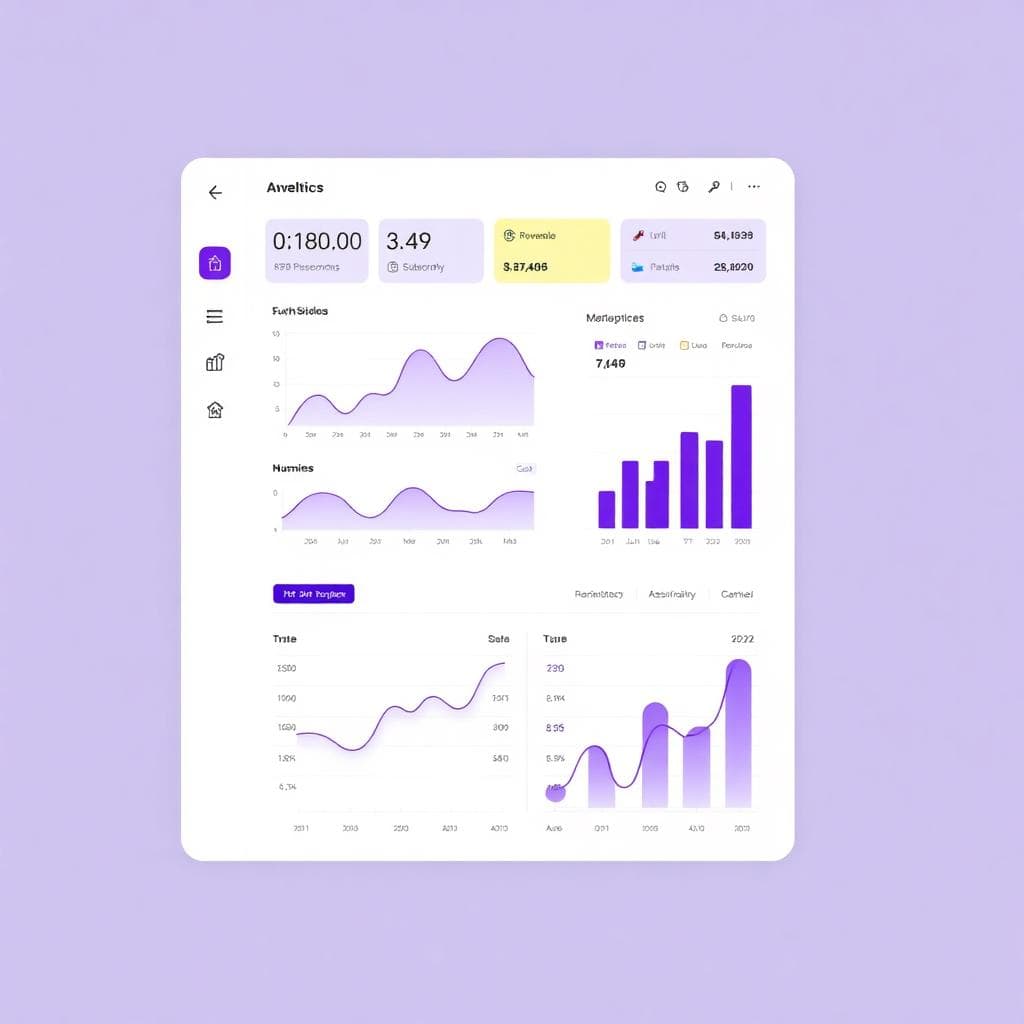
Hybrid Netlify + VPS
Re-architected delivery for a high-traffic marketing app: static frontend and edge middleware on Netlify, background workers and queues on VPS.
- •Unified release checklist across frontend and backend stacks
- •Added auto-heal + restart strategy for VPS workers
- •Reduced deployment-related support tickets by 70%
- •Implemented safe migration windows with automated backups
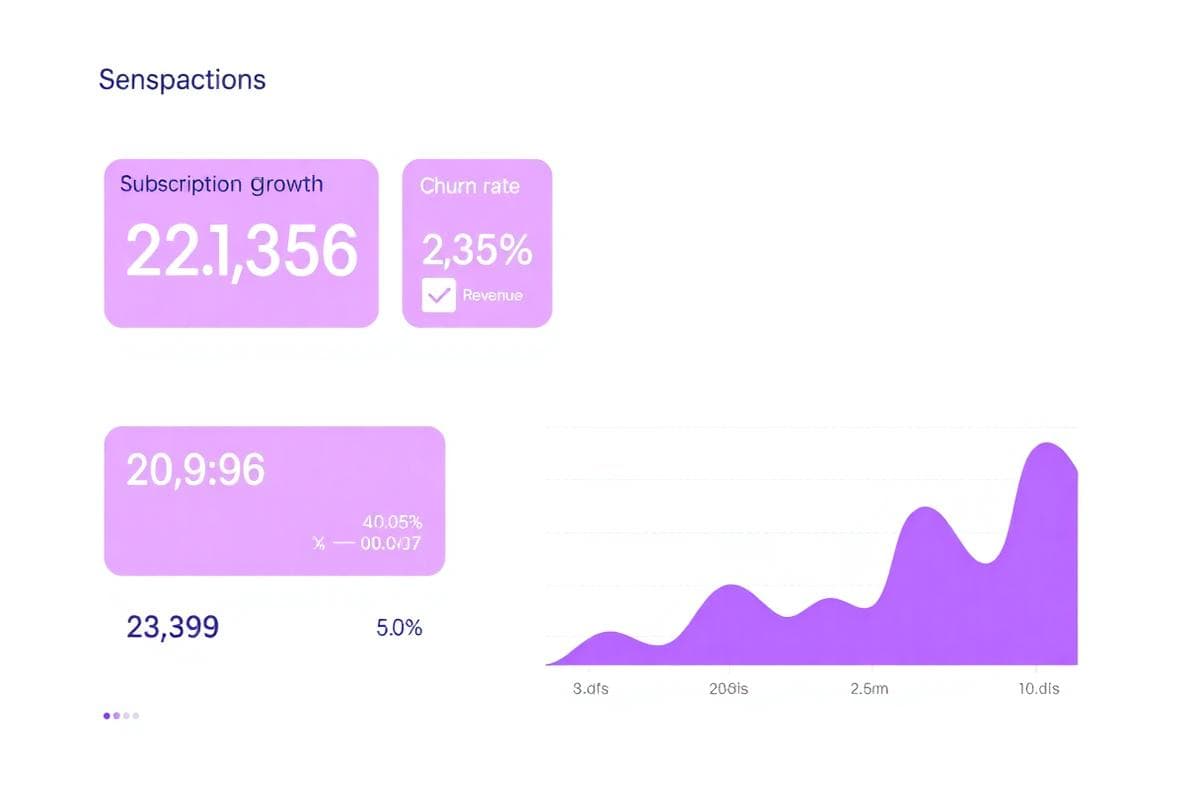
Deployment architecture components
Building blocks I use to deliver stable deploys: pipelines, runtime strategy, and incident controls.
Questions I'll ask about your deployment setup
So we can quickly identify where to focus and how to help.
Which workloads are on Vercel, Netlify, and VPS today?
Platform-role clarity prevents runtime mismatch and runaway costs.
What is your rollback process during failed releases?
Rollback latency often decides whether incidents stay minor or escalate.
How do you manage environment variables and secrets?
Inconsistent env strategy is a common cause of production-only failures.
How are logs, alerts, and uptime checks wired to releases?
Release-aware observability shortens time to detect and resolve incidents.
Let's scale your deployment system.
Book a 30-minute architecture call with Kavya. Share your current Vercel, Netlify, or VPS stack and get a clear deployment reliability assessment.
Book a Deployment Architecture Call